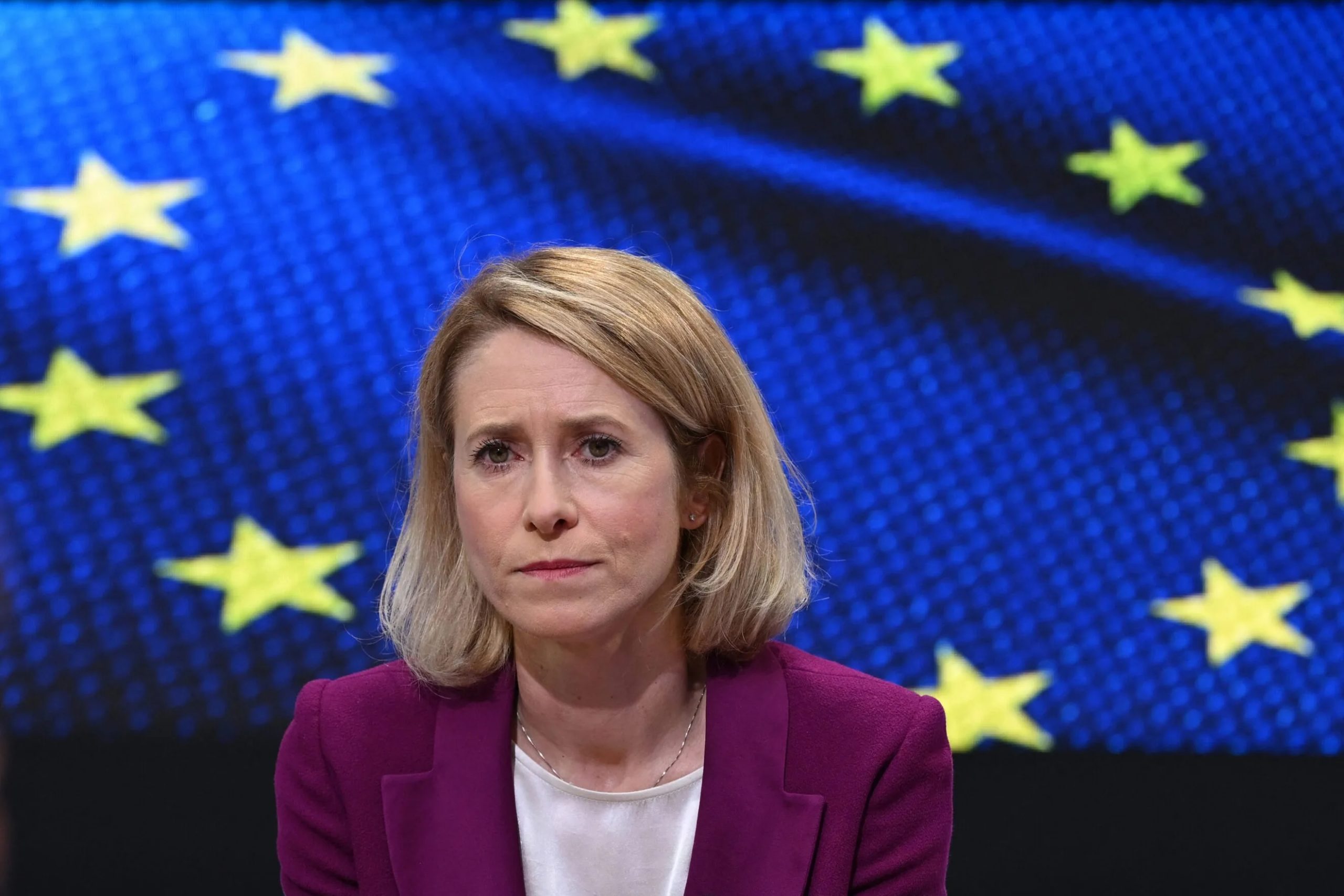
Brussels, June 15th, 2026 – As EU Foreign Ministers meet in Luxembourg for a Foreign Affairs Council today, Monday, the European Union is facing a major foreign policy crisis after its top diplomat Kaja Kallas reportedly accused Israel of apartheid. The comments, which were made in confidential talks in Mexico City several weeks ago but were revealed in media reports late last week, come at a time when a growing number of EU member states have called into question the leadership of High Representative Kallas, who is also a Vice-President of the European Commission.
The highly inflammatory remark that Israel’s treatment of Palestinians in Gaza and the West Bank can be compared to South Africa’s policy of racial segregation during the apartheid era from 1948 to the early 1990s has shocked many EU officials and Members of the European Parliament in Brussels. The same accusation is the basis of South Africa’s case against Israel at the International Criminal Court in The Hague. However, these accusations have been categorically rejected by most EU governments except for Spain and Ireland, who are well known for their hostility towards the Jewish state.
EU member states had high expectations when the former Estonian Prime Minister Kaja Kallas was appointed the top EU diplomat in the autumn of 2024, after outgoing Spanish High Representative Josep Borrell’s term came to an end. Today, not only her own position but that of the whole European External Action Service (EEAS) the EU’s diplomatic service is being called into question. At a time of one of the worst geopolitical crises in the history of the European Union, its member states seem to have lost confidence in their Foreign Policy Chief.
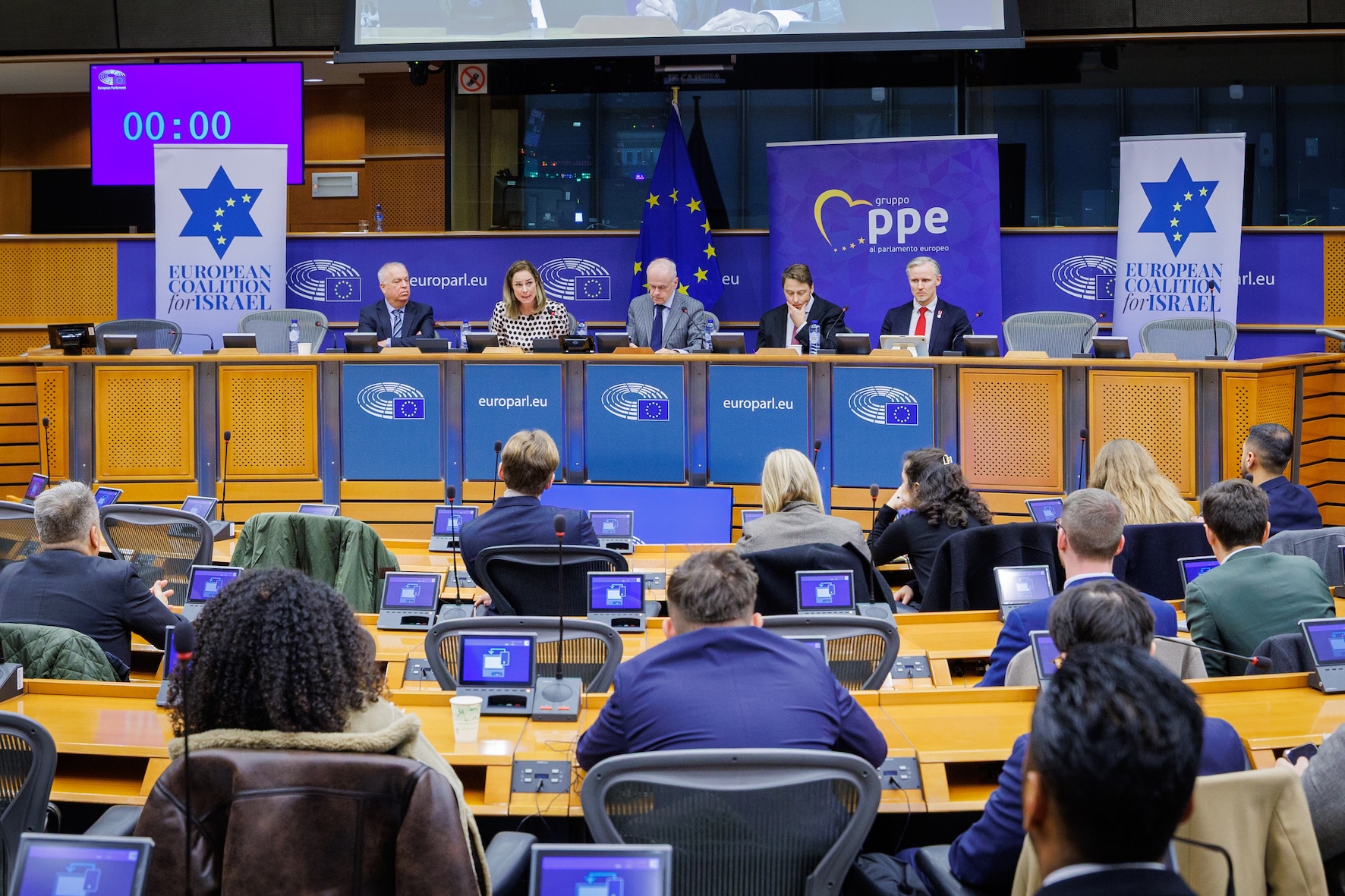
In a separate statement on Monday, ECI Founding Director Tomas Sandell joined those who had expressed their concern, stating that “EU Foreign Policy needs a new moral compass after Kallas’ highly offensive remarks. A high official who fails to make any moral distinction between those responsible for the atrocities of the pogrom of October 7 and Israel’s right to defend itself from another genocide is not fit to serve as the top diplomat for a European Union which was built out of the ashes of the Holocaust.”
Kallas’ comparison between Israel and apartheid South Africa is not her only diplomatic blunder. At an informal meeting of EU Foreign Ministers in Cyprus on 28 May, Kallas claimed that US diplomats had left Kyiv after a Russian warning of an imminent large-scale attack while European embassies remained in Ukraine’s capital. The claim was inaccurate, was later retracted, and could have sparked another US–EU diplomatic crisis.
Sandell continued: “at a time when the Free world is under attack from totalitarian regimes in Moscow and Tehran, the EU High Representative should do her utmost to strengthen the bonds to our allies Israel and the United States and not sow discord.”
On Monday morning, Kallas described the US–Iran agreement to end the war as a potential breakthrough that could create much-needed space for further negotiations on Iran’s nuclear programme and other outstanding issues. Other items on the agenda for the Foreign Affairs Council include a new push to sanction Israeli Cabinet Minister Itamar Ben-Gvir over the treatment of Gaza flotilla activists, which is set to collide with opposition from, among others, Germany, Czechia and Austria.
Later in the week (18–19 June), the European Council summit will be held in Brussels. In between the two Council meetings, the G7 will meet in Évian, France. High Representative Kallas will not attend the G7 summit, where the EU will be represented by the President of the European Commission, Ursula von der Leyen, and the President of the European Council, António Costa.